What it is
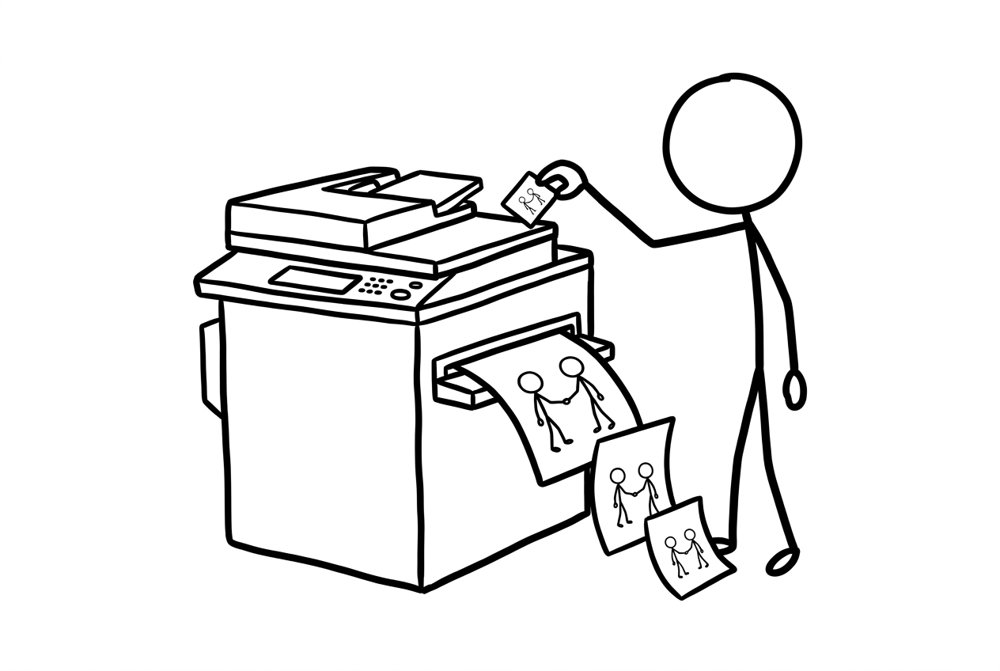
Any number of players play a scene and then repeat it, cutting the time in half each time, hence the name Half Life.
How to play
- Intro and suggestion. Name the game and its rule. Get a suggestion from the audience: often the title of a well-known movie. Or ask for something else, often a location or a conflict, sometimes characters and their quirks.
- Who calls time. Pick a caller: they call “Go!” and “Time!” crisply and clearly for every round, so everyone knows when the time starts and when it's up. You can give this role to an audience member, but that's not always helpful: they may delight in exposing a timing error.
- The first scene. Play the first scene in exactly one minute.
- Repeats. Repeat the scene identically: line for line, action for action. Fit the first repeat into thirty seconds, but play all of it: the content, the dialogue and the story. The next repeat is fifteen seconds, then seven. After that, five seconds, then two.
The Crackpot Comedy channel
Variation: Main version
The Improv Playworks channel
Variation: Main version
What it teaches
This format is mostly just for fun, and it's also good for character and spontaneity. As they repeat the scene, players often highlight the key dynamics of the relationships. And if the players are anxious, making this format work calms them down, and they start taking risks more boldly.
Tips for players
Make the first scene a bit curt, with simple dialogue and some action that can't be skipped. And if you build in a few big physical , they become the tent poles the format depends on.
The game is more fun if, in the short repeats, you try your hardest to pack everything in rather than cut chunks of the story.
Lean on physical humor: the format works best with it.
As the scene speeds up, be happy to take risks: see what else you can fit in.
If you build in a guaranteed ending, say someone accidentally detonates a nuke and everybody dies, it is often funny and sometimes necessary.
If you're the caller, don't explain to the audience everything they're about to see: the first one-minute scene might be terrific, and then you can end there.
If you're the caller, be a little critical of the first scene and ask for a version with less flab on it. The players can act a little put out but agree to go along with it.
Example
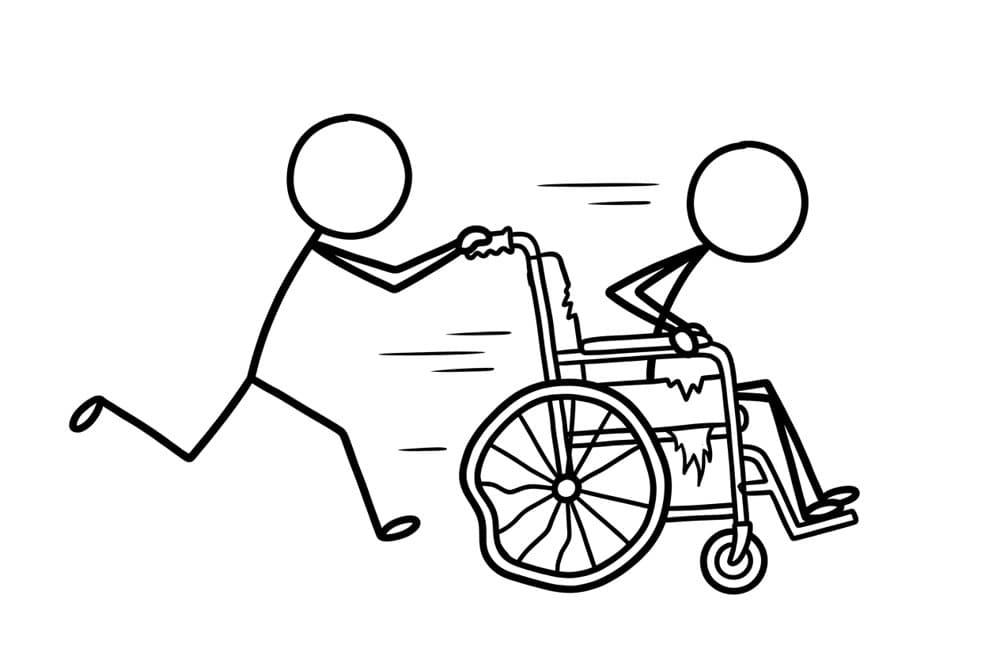
Player A finds a ratty old wheelchair.
He gleefully sticks his partner in it and wheels him across the stage.
With each repeat, the players have to put the partner in the wheelchair and wheel it across the stage faster and faster.
Variations
Other intervals Other intervalsYou can also play the repeats in thirty seconds, then five, then one. Or use whatever intervals work best for your group.
Half Space Half SpaceRepeat the first scene in half the space.
Melodrama MelodramaWith each repeat, blow a simple scene up into ever more elaborate melodrama. But keep the details of the second repeat in the third. The melodrama was also played with three different casts instead of the same players.
In reverse In reverseSalinsky and Frances-White tried playing Half Life in reverse: from a manic ten-second burst to a leisurely one-minute scene, adding back the missing details each time. But this almost never works.
Videos
The Crackpot Comedy channel
Variation: Main version
The Improv Playworks channel
Variation: Main version