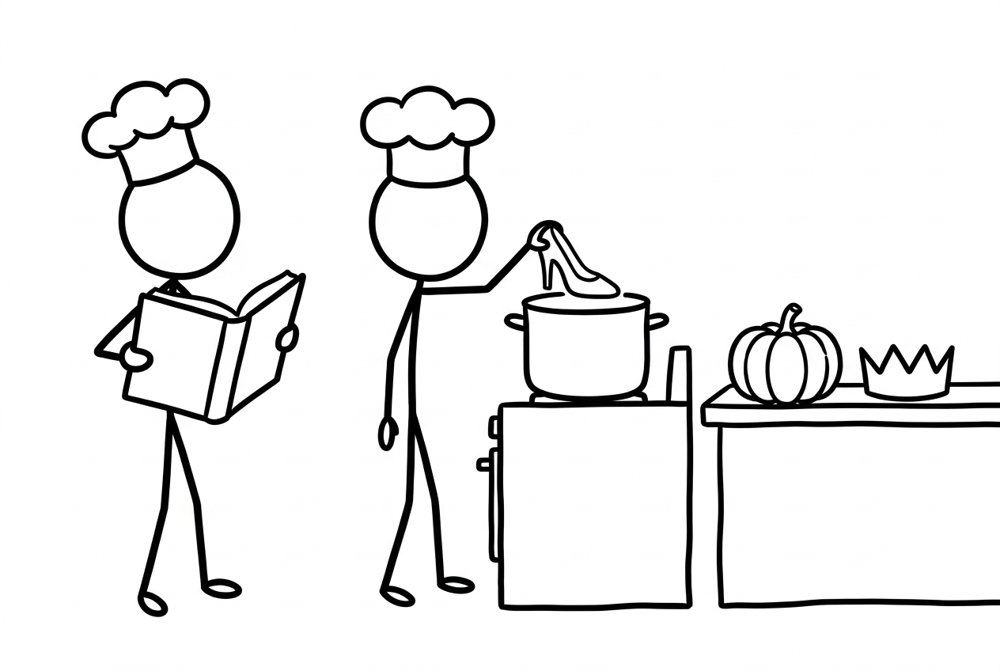
What it is
Two players on stage: one reads lines from a book or a script, and the other justifies them. This short-form game plays on the actor’s fear of showing up to opening night without knowing the lines, and here the nightmare belongs to the one without the book.
How to play
- Two on stage. The scene has two players: a duo makes story building easier. On one teaching site, all the other players adapt to the reader.
- A book for the reader. One player volunteers for the nightmare role, and their partner is handed a book with dialogue, a screenplay or a play.
- Picking the page. Someone calls out a number below 50, and the reader opens that page and reads the first piece of dialogue in quotes; the next one they find further on, sometimes a page later.
- Only the script. The reader sticks to the script, no matter what the partners say or do, and reads the lines in order. The reader usually voices one character, but may take other characters’ lines to answer faster and not search for their own.
- The reader’s character. The reader still creates a character and engages the space, but says only what is in the script. It’s best to give the reader the first line.
- Justifying. The partner justifies every line the reader says, and answers the first one however they see fit. The script lines usually won’t fit the scene, and that’s OK. The partner brings the reader into the scene as if they had learned their lines, makes offers inside the given circumstances and moves the story on.
What it teaches
The game teaches you to listen to your partner and respond to whatever they throw at you: there is no way to plan your actions or lines ahead. But the point is not to create scenes worthy of great drama.
Tips for players
Example
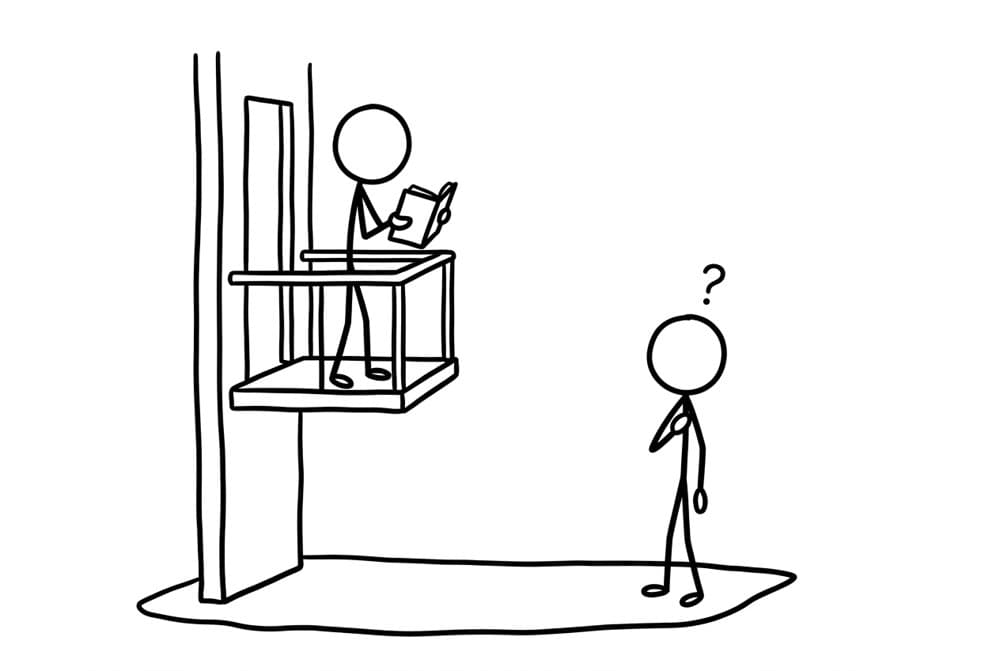
Player A reads Juliet, and Player B improvises Romeo.
— What man art thou that, thus bescreened in night, so stumblest on my counsel?
— I did not mean to disturb your slumber.
— Art thou not Romeo, and a Montague?
— I am glad I left so memorable an impression.
In the wings, the Nurse gasps at his words.
— How cam’st thou hither? The place is death, if any of my kinsmen find thee here.
— I thank you for your warning. You are right, this is no place for me.
Variations
 Reader’s tricksThe reader launches into long passages or soliloquies, and reads or plays the stage directions, by accident or on purpose. And when asked to repeat something, they can only read the next line.
 The audience picks the playIn a venue that always starts shows from an audience suggestion, a spectator picks a play from a fanned deck, sometimes naming a page. But avoid plays with a large cast: the reader will get only scattered lines. While the partner is out of the room, tell the audience about the play: it adds to the fun.
 Several scriptsEveryone but one player has a script, or each has a different one; play with a justifier or without. With many scripted players, the featured one easily gets lost in the crowd, and several players improvising muddy the focus.
 The audience readsAn audience member reads the script, and the players support her and make her look good.
 Audience phoneAn audience member comes up, opens the chat with the person they text most and sits by the reader, who reads their texts instead of a script. The reader skips anything too personal, like addresses and phone numbers.
 Reader in the hot seatThe reader sits in the center and flips through the script, picking lines and answers for the partners.